Growth
What is the Difference Between Brand Marketing and Growth Marketing?
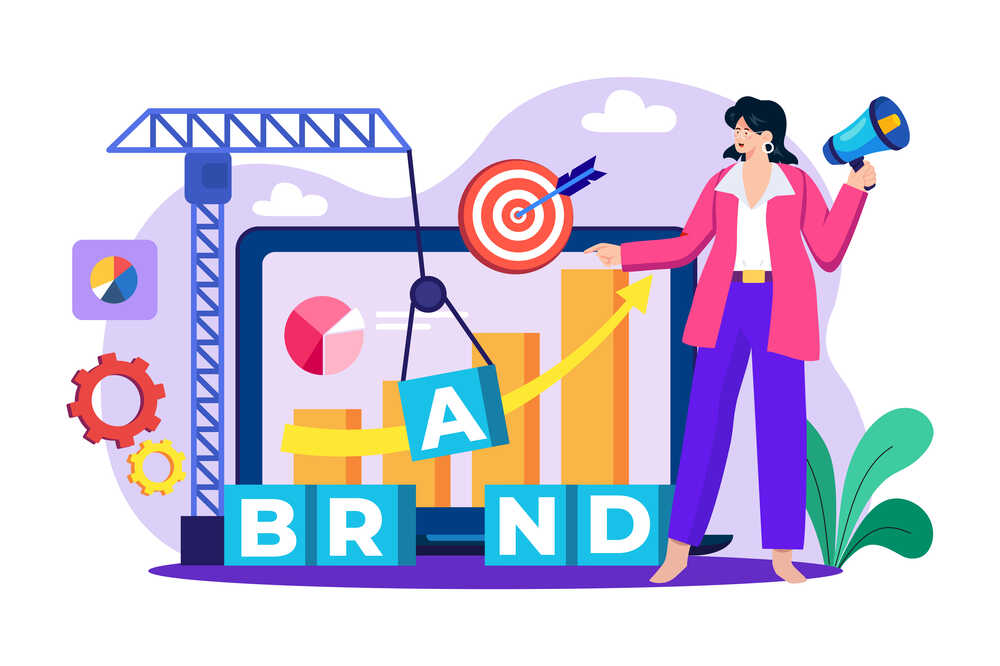
Marketing strategies are the backbone of business success, but navigating through the different approaches can be a daunting task. Two major strategies often discussed in today’s landscape are brand marketing and growth marketing. Both are essential, yet they serve distinctly different purposes.
Brand marketing focuses on building a long-lasting connection with consumers, establishing trust, and creating a memorable identity. On the other hand, growth marketing aims at quick, data-driven results, focusing on customer acquisition and measurable growth.
In this blog, we will explore the differences between these two strategies, how they complement each other, and why businesses need a balance between brand and growth marketing to ensure sustainable success.
Defining Brand Marketing
What is Brand Marketing?
Brand marketing is the art of creating a lasting impression on your target audience. It goes beyond selling products or services—it’s about building a personality that resonates with consumers on an emotional level. Brand marketing aims to foster loyalty, trust, and recognition by creating a strong identity for a business.
This strategy involves consistent messaging, visuals, and a well-crafted narrative that highlights the company’s values. Over time, the brand becomes synonymous with certain emotions, experiences, or even lifestyles, making it stand out in a crowded marketplace.
The Key Elements of Brand Marketing
To develop a successful brand marketing strategy, there are several foundational components to focus on:
-
Brand Values and Mission: The core of any brand marketing campaign revolves around what the business stands for. These values need to be communicated clearly to build trust and establish a unique identity.
-
Consistency Across Channels: Whether it’s social media, print advertising, or email marketing, the message and tone need to remain consistent. This builds recognition and reinforces the brand’s image in the minds of consumers.
-
Storytelling: A brand that tells a compelling story and connects emotionally with its audience. People are more likely to engage with and remember brands that evoke feelings and tell relatable stories.
Long-Term Benefits of Brand Marketing
Brand marketing offers lasting advantages that drive long-term success:
-
Increased Recognition: Consistency in brand messaging helps businesses gain visibility. Over time, a well-marketed brand becomes recognizable even in a crowded marketplace.
-
Emotional Connection: A brand that resonates emotionally with its audience is more likely to foster customer loyalty. This loyalty often leads to repeat purchases and advocacy for the brand.
-
Higher Perceived Value: When a brand is perceived as trustworthy and reputable, consumers are often willing to pay a premium for its products or services.
Defining Growth Marketing
What is Growth Marketing?
Growth marketing is a results-driven approach designed to scale a business by acquiring new customers, increasing engagement, and boosting revenue. Unlike traditional marketing, which often focuses on a specific part of the customer journey, growth marketing takes a full-funnel approach. From awareness to retention, every step is optimized for maximum growth.
At its core, growth marketing is about experimentation and data analysis. Marketers continuously test different strategies and tactics, measure their effectiveness, and refine their approach based on what works best. This could involve running A/B tests, utilizing data analytics, or deploying multi-channel campaigns across email, social media, and paid ads.
The Core Components of Growth Marketing
Growth marketing employs a variety of tools and strategies to fuel business expansion:
-
Data Analytics and A/B Testing: Growth marketers rely on data to make informed decisions. A/B testing allows them to compare different tactics and choose the one that performs best.
-
Multi-channel Campaigns: Successful growth marketing strategies use a combination of channels—email, social media, paid ads, and SEO—to reach and engage the target audience at every stage of the customer journey.
-
Customer Acquisition and Retention: Growth marketing doesn’t just aim to attract new customers; it focuses equally on retaining them. This ensures that customer acquisition efforts lead to sustained growth rather than one-time gains.
Short-Term Benefits of Growth Marketing
The benefits of growth marketing can be seen quickly, making it an ideal approach for businesses looking for immediate results:
-
Fast Customer Acquisition: Growth marketing tactics are designed to attract new customers rapidly. Through targeted ads, SEO optimization, and lead generation campaigns, businesses can scale their customer base quickly.
-
Measurable Results: Growth marketing is data-driven, so every tactic is measured and optimized. This allows businesses to track their ROI and adapt their strategies in real time.
-
Adaptability: Growth marketers are constantly experimenting and refining their methods. This makes growth marketing highly adaptable to changing market conditions and consumer preferences.
Key Differences Between Brand Marketing and Growth Marketing
Focus on Long-term vs. Short-term Goals
One of the most apparent differences between brand marketing and growth marketing lies in their objectives. Brand marketing is about establishing a long-term identity that resonates with the audience.
It builds loyalty and trust over time, creating a foundation for sustained success. Growth marketing, on the other hand, focuses on short-term goals like increasing website traffic, acquiring customers, and generating immediate sales.
Strategy vs. Tactics
Brand marketing operates on a strategic level. It is concerned with crafting a vision and positioning a brand in the market for the long haul. In contrast, growth marketing is highly tactical. It involves running quick, data-driven experiments to find what works best for rapid business expansion.
Measurement Metrics
The metrics used to evaluate the success of brand marketing and growth marketing differ significantly. Brand marketing metrics are often qualitative, such as brand awareness, emotional connection, and engagement. Growth marketing metrics are quantitative, focusing on hard data like conversion rates, customer lifetime value, and return on investment (ROI).
How Brand Marketing and Growth Marketing Complement Each Other
Building a Foundation with Brand Marketing
Brand marketing sets the foundation upon which growth marketing efforts can flourish. Without a solid brand identity, growth marketing campaigns may fail to resonate with the audience, leading to lower engagement rates and conversions. Brand marketing helps establish trust, which is critical for the success of short-term growth initiatives.
Driving Immediate Results with Growth Marketing
Once a brand is well-established, growth marketing strategies can accelerate customer acquisition and revenue generation. Growth marketing helps drive short-term wins that can further enhance the brand’s visibility and credibility.
Achieving Sustainable Growth
Sustainable growth is achieved when businesses balance the long-term vision provided by brand marketing with the rapid results driven by growth marketing. Together, they create a symbiotic relationship that ensures consistent expansion while maintaining customer loyalty.
The Importance of an Integrated Approach
Why Businesses Need Both Strategies
Focusing solely on brand marketing might result in slow short-term growth, while an exclusive focus on growth marketing could lead to a lack of customer loyalty and brand recognition.
For a business to thrive, it must employ both strategies, using brand marketing to create long-term value and growth marketing to generate immediate results.
Case Studies of Successful Integration
Some of the world’s most successful companies have mastered the art of integrating brand and growth marketing. Take Apple, for instance.
While Apple uses brand marketing to build an emotional connection with its customers, its growth marketing efforts—such as product launches and targeted ad campaigns—drive rapid customer acquisition and sales. Another example is Tesla, a brand that thrives on a mix of innovative marketing campaigns and a strong brand identity.
Practical Tips for Combining Brand and Growth Marketing
Building a Strong Brand Identity Before Scaling
Before diving into aggressive growth marketing campaigns, it’s essential to establish a strong brand identity. Businesses need to communicate their values, mission, and story consistently across all channels. This creates a solid foundation for growth efforts to succeed.
Leveraging Data from Growth Marketing to Inform Brand Marketing
Growth marketing generates valuable data on customer behavior, preferences, and engagement. This data can be used to fine-tune brand messaging and improve the overall marketing strategy, ensuring that the brand resonates with its audience.
Balancing Short-term Wins with Long-term Vision
It’s important to balance the quick wins from growth marketing with the long-term goals of brand marketing. Tactics that drive immediate sales should align with the brand’s long-term mission and values to ensure cohesive growth.
Conclusion
In conclusion, brand marketing and growth marketing are two essential pillars of a successful marketing strategy. While brand marketing builds trust, loyalty, and recognition over time, growth marketing focuses on rapid customer acquisition and measurable growth.
Businesses that master the balance between these two strategies will enjoy both immediate wins and long-term success. Incorporating both approaches is the key to sustainable growth in today’s competitive market.
By understanding the distinct differences between brand marketing and growth marketing, companies can craft a strategy that leverages the strengths of both to achieve their business goals.
Need help building B2B pipeline?
Get a free 30-minute GTM diagnostic — we'll show you the highest-leverage levers in your funnel.
Book Your Diagnostic